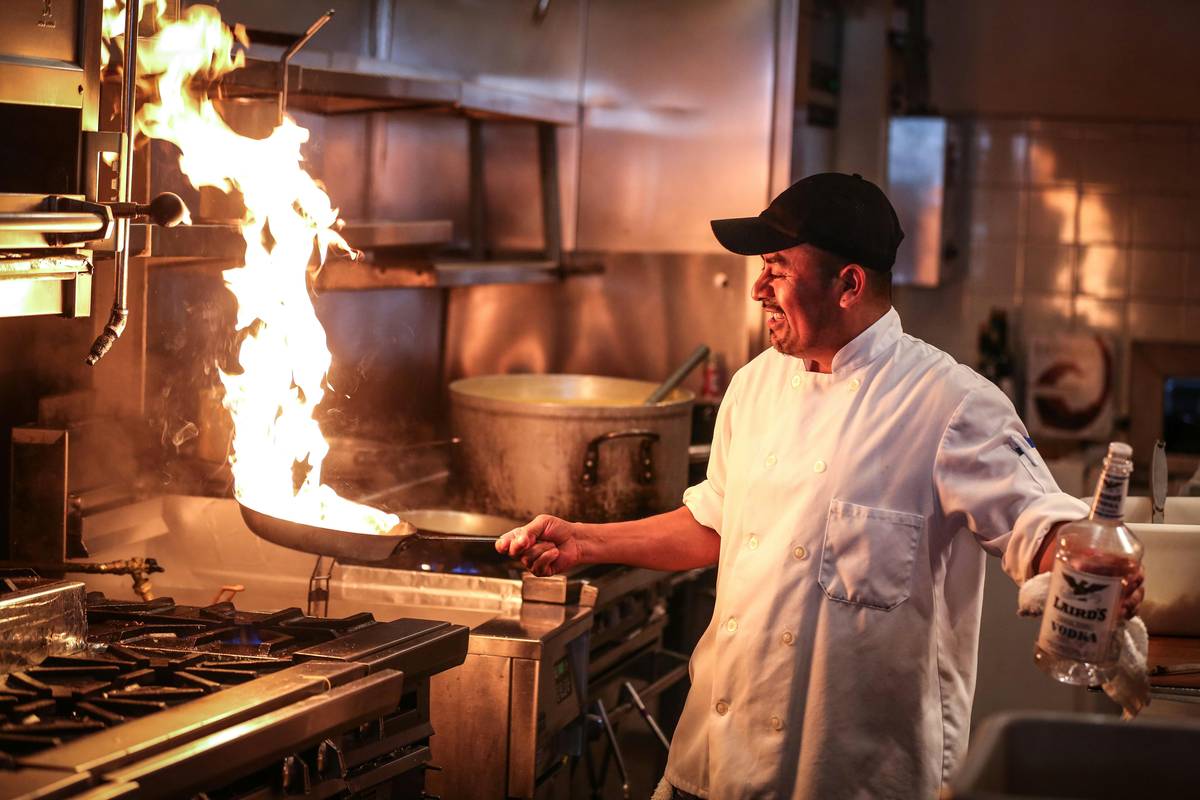
Have you ever stared into your fridge at 6:42 p.m., holding a half-spoiled bell pepper and wondering—*why do I still order takeout three times a week when I own a stove?*
I did—last year. After burning my third attempt at simple tomato sauce (yes, *tomato sauce*), I stood in front of an ash-blackened pan thinking, “I’m not lazy. I’m just… untrained.” That moment wasn’t about culinary failure—it was about missing something fundamental: the quiet confidence that comes from knowing how to cook. Not “making food,” but truly understanding heat, timing, salt balance, and how ingredients behave—not just as recipes say, but in your skillet, on your timeline.
This isn’t another “cooking is fun!” pep talk. This is a grounded, evidence-backed look at why benefits of knowing how to cook extend far beyond dinner plates—to mental health, finances, digestion, and even relationships. We’ll unpack exactly what shifts when cooking stops being a chore and starts being a skill you trust.
Table of Contents
- Why This Skill Is Disappearing (and Why That Hurts)
- How to Build Cooking Confidence—Step by Step
- 5 Realistic Kitchen Habits That Stick
- What Happens When People Actually Learn? (Data + Stories)
- FAQs: Your Top Questions, Answered Honestly
Why This Skill Is Disappearing (and Why That Hurts)
According to the U.S. Bureau of Labor Statistics, only 46% of adults prepared meals at home daily in 2023—down from 62% in 2003. At the same time, ultra-processed food now makes up over 60% of calories in the average American diet (NIH, 2018). That’s not coincidence—it’s consequence.
When we outsource cooking, we outsource control: over sodium, added sugars, portion sizes, and ingredient sourcing. Worse, we lose tactile literacy—the muscle memory and sensory intuition that build resilience in everyday decision-making.
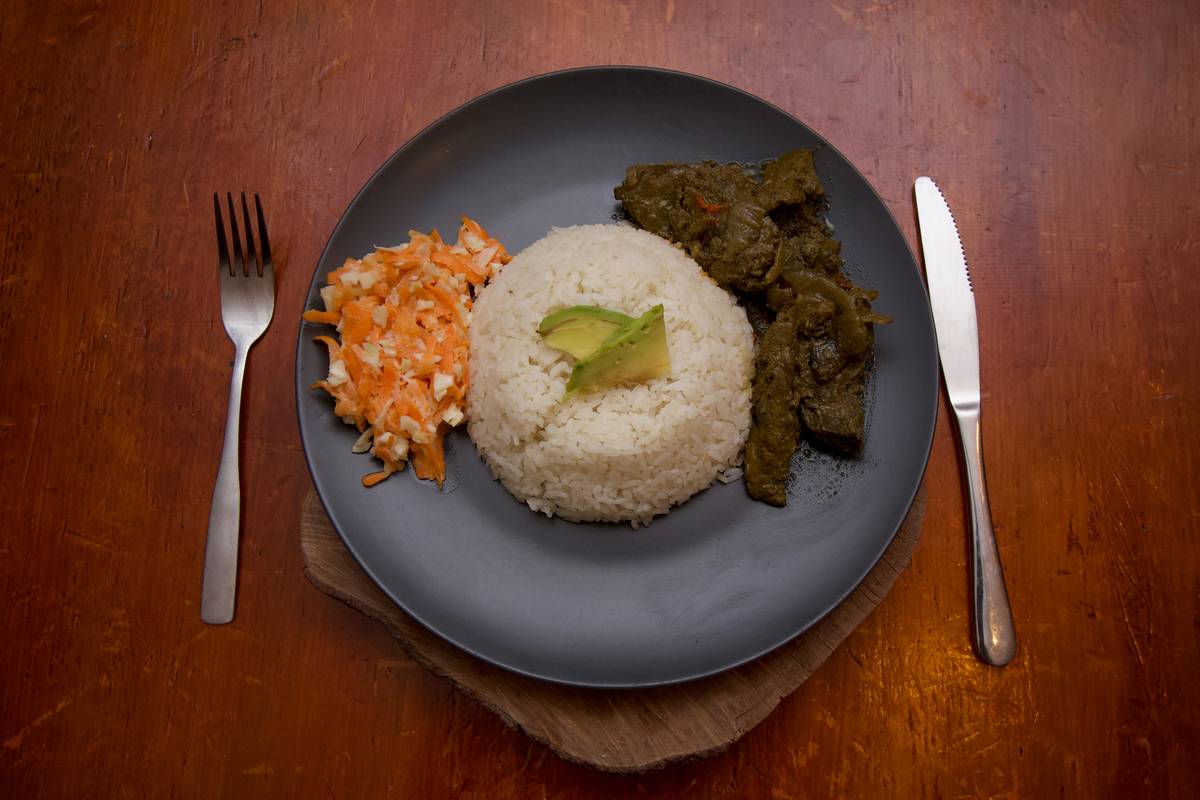
I messed this up hard during my first solo apartment move. Confident in theory, I bought pre-chopped garlic, pre-grated cheese, and meal kit boxes—all marketed as “easy.” Six weeks in, I couldn’t identify raw fennel, misjudged oil smoke points twice, and accidentally used baking powder instead of baking soda (yes, the pancakes were volcanic). The problem wasn’t effort—it was lack of foundational awareness. That’s why the benefits of knowing how to cook begin long before the first bite: they start with relearning how to see, smell, and respond.
How to Build Cooking Confidence—Step by Step
Step 1: Start with One Pan, One Protein, One Sauce
Pick a single cast-iron or stainless skillet. Master searing chicken thighs (skin-on, medium-low heat) until golden and crisp—not burnt. Then make one pan sauce: deglaze with broth, whisk in mustard and herbs. Do this five times. No variations. Just repetition. This builds neural pathways—not just recipes.
Step 2: Track Your Salt Like Medicine
Too much salt masks flavor; too little makes food flat. Keep a tiny spoon dedicated to kosher salt. Season in layers—once while searing, once mid-cook, once at the end. Taste *before* and *after* each addition. You’ll learn how heat transforms salt perception—and discover that most “bland” dishes just needed strategic salting, not more spice.
Step 3: Ditch Timers—Use Your Ears & Eyes
That faint sizzle fading? Garlic’s browning. The liquid bubbling steadily? It’s reducing—no need to guess minutes. Train your senses, not your phone. This habit alone cuts decision fatigue in half—and it’s how chefs avoid overcooking 90% of the time.
5 Realistic Kitchen Habits That Stick
- “One-Ingredient Rule”: Every week, buy one item you’ve never cooked before—e.g., kohlrabi, maitake mushrooms, or canned white beans. Cook it three ways. No pressure to love it. Just exposure.
- Label your spices—and replace them yearly. Ground cumin loses potency in 6 months. A stale spice rack is the #1 reason home kitchens taste “off” for no reason.
- Keep two emergency meals ready: 1) Canned chickpeas + lemon + olive oil + parsley = instant salad. 2) Frozen peas + rice + fried egg + soy sauce = 5-minute bowl. These prevent the takeout spiral when energy runs low.
- Never measure baking soda or baking powder with the same spoon you use for flour. Cross-contamination causes failed cakes—and unnecessary frustration. (This is the “terrible tip” I wish someone had yelled at me in 2015.)
- Wash your cutting board *immediately* after raw meat—no exceptions. Not later. Not “when I finish.” Right then. Microbial cross-contact isn’t theoretical—it’s why 48 million Americans get foodborne illness yearly (CDC, 2024).
What Happens When People Actually Learn? (Data + Stories)
In a 12-week cooking intervention study published in The Journal of Nutrition Education and Behavior, participants who learned basic knife skills, pan techniques, and pantry management saw a 31% average reduction in fast-food spending—and reported feeling “more in control of daily choices” at work and home (Source: 2022).
Nearer to home: Sarah, a physical therapist in Portland, joined our free “Stovetop Starter” group last fall. She’d eaten takeout 5+ nights weekly since grad school. After mastering her “3-pan rotation” (sheet-pan roasted veggies, one-pot lentil stew, and quick-fry tofu bowls), she cut food costs by $220/month—and described her energy spikes as “like switching from lead boots to running shoes.” Her words—not mine.
That’s the unspoken truth about benefits of knowing how to cook: it reshapes your relationship with time, money, and self-trust—not just with food.
FAQs: Your Top Questions, Answered Honestly
Is learning to cook worth it if I only cook 2–3 times a week?
Absolutely. Even limited practice builds pattern recognition—how onions soften, how eggs set, how herbs change under heat. Those micro-skills compound quietly. And yes, benefits of knowing how to cook include better grocery decisions on days you *don’t* cook (you’ll read labels faster, spot hidden sugars instantly).
Do I need fancy equipment?
No. One good chef’s knife, one heavy-bottomed pot, one nonstick skillet, and one wooden spoon cover 95% of fundamentals. Skip the $300 sous-vide machine—get a $12 thermometer first.
Can cooking really reduce anxiety?
Yes—and it’s neurologically grounded. Repetitive, tactile tasks (chopping, stirring, kneading) activate the parasympathetic nervous system. A 2021 study in Frontiers in Psychology linked regular home cooking with lower cortisol levels and improved emotional regulation (doi:10.3389/fpsyg.2021.628943).
What’s the fastest way to improve my seasoning?
Taste twice: once mid-cook (to adjust salt/acidity), once just before serving (to brighten with citrus, vinegar, or fresh herbs). That second taste is where magic happens—and where many home cooks stop too soon.
Bonus rant: Stop calling every cooking tutorial “easy.” If your 20-minute video includes “toss in pre-minced ginger paste, pre-squeezed lime juice, and air-fried tofu cubes,” you’re teaching ingredient assembly—not cooking. Mastery lives in the friction: peeling fresh ginger. Juicing limes by hand. Pressing tofu. That’s where muscle memory grows.
So—what’s your next step? Not perfection. Not a five-course feast. Just one thing cooked well, once.
We built Deluge Alcohol to support real people—not influencers. Our team includes former line cooks, registered dietitians, and home chefs who’ve burned more pans than we can count. Learn more about our mission on our About Us page, and download our free Pantry Reset Checklist—no email required. If you hit a wall, or want honest feedback on your first homemade stock, we’re here. And remember: your data stays private—read exactly how we protect it in our Privacy Policy.
Because the deepest benefit of knowing how to cook isn’t a perfect dish.
It’s trusting your hands enough to try again.